Most businesses invest in websites, marketing tools, and sales platforms separately. The problem is they often operate in isolation. Without strong marketing and sales system integration, leads fall through the cracks, follow-ups are delayed, and reporting becomes unreliable.
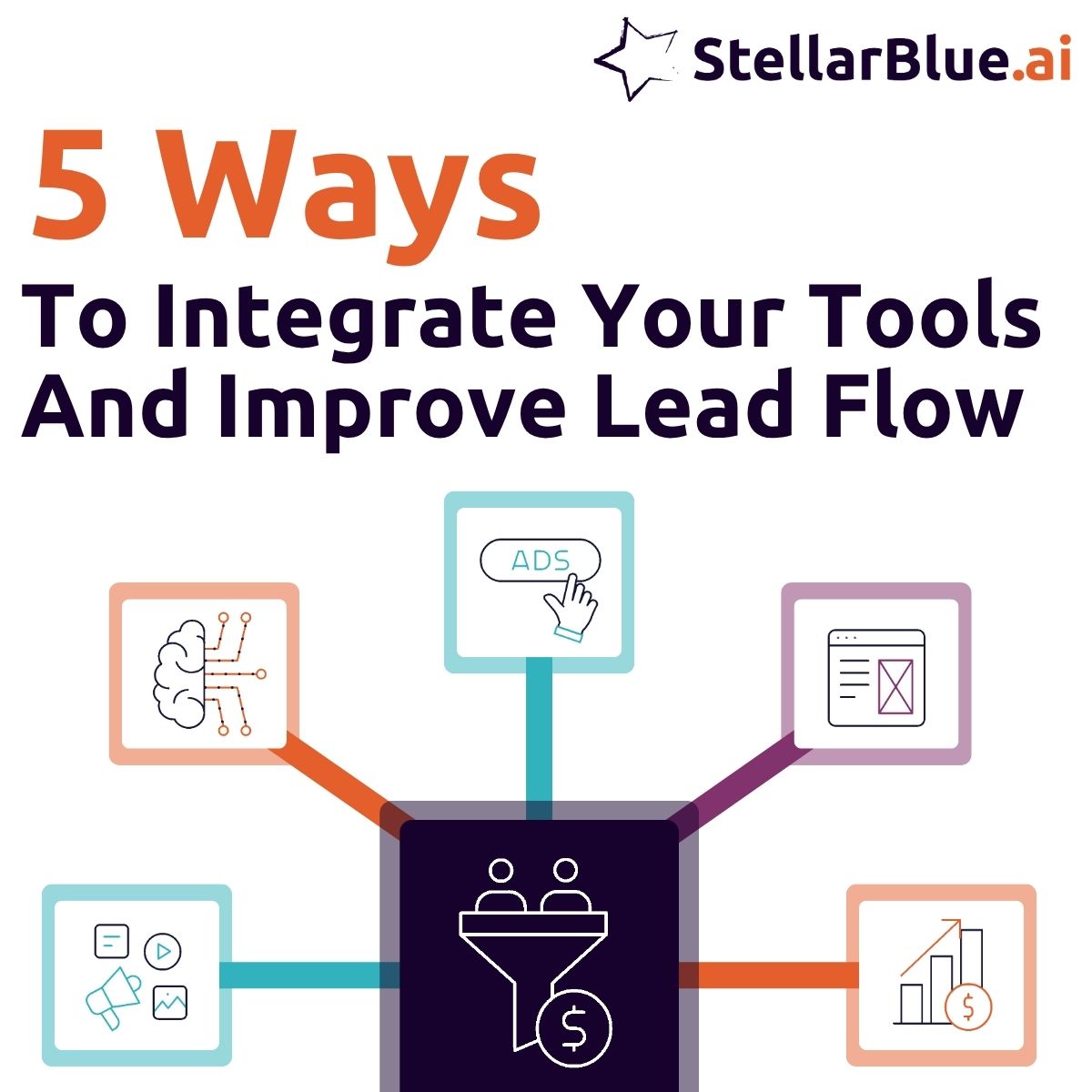
Your website should act as the central hub, connected to everything else in your business. Here are five practical ways to make that happen.
1. Connect Your Website Forms Directly To Your CRM
Every form submission should automatically create or update a contact in your customer management or sales system (CRM).
What this solves:
- Lost or delayed lead follow-up
- Manual data entry errors
- Inconsistent lead tracking
What to implement:
- Real-time syncing between forms and CRM
- Lead source tracking
- Automatic tagging based on behavior
This is the foundation of strong marketing and sales system integration.
2. Use AI Agents To Qualify And Route Leads
AI agents can engage visitors instantly, qualify their needs, and route them to the right next step based on real inputs. This reduces manual triage and improves lead quality before sales gets involved.
What this solves:
- Slow response times
- Unqualified leads reaching sales
- Missed after-hours opportunities
What to implement:
- AI website agents trained on your services and FAQs
- Dynamic qualification flows based on user responses
- Automated routing into CRM, calendars, or sales pipelines
3. Automate Email And SMS Follow-Up Sequences
Once a lead enters your system, AI-driven automation can personalize and trigger follow-up based on behavior, timing, and engagement. This keeps communication relevant without adding manual workload.
What this solves:
- Leads going cold
- Inconsistent communication
- Missed nurturing opportunities
What to implement:
- AI-assisted email sequences that adapt to user behavior
- Trigger-based workflows tied to page visits, clicks, or form fills
- SMS follow-ups for high-intent actions like demo requests
AI improves timing and relevance, which directly impacts response rates and conversions.
4. Align Paid Ads And Visitor Identification Tools
AI-enhanced visitor identification tools help turn anonymous traffic into actionable data. When connected to your ad platforms and CRM, this gives your team clearer insight into who is engaging and how to respond.
What this solves:
- Anonymous website traffic
- Poor attribution
- Limited retargeting options
What to implement:
- AI-powered visitor identification to match companies and behaviors
- Ad campaign data synced with CRM records
- Smarter retargeting audiences based on real engagement signals
This allows your marketing and sales teams to prioritize higher-value opportunities instead of guessing.
5. Sync Social Media And Content With Your Lead Funnel
AI can help track, score, and route engagement from social media into your broader funnel. This connects content performance directly to pipeline activity.
What this solves:
- Disconnected campaigns
- Missed engagement opportunities
- Weak conversion paths
What to implement:
- AI-assisted tracking of content engagement across channels
- Automated lead capture from social campaigns
- Follow-up workflows triggered by content interactions
This ensures your content strategy contributes directly to lead generation and pipeline growth.
Why This Matters
Marketing and sales system integration ensures every touchpoint works together. Instead of disconnected tools, you get a unified system that:
- Responds faster
- Tracks every interaction
- Improves lead quality
- Shortens the sales cycle
Most teams already have the tools. The gap is how those tools connect and communicate.
If your systems aren’t working together, you’re leaving revenue on the table.
Book a consultation with StellarBlue.ai to map your current setup and identify where automation and integration can drive immediate results.