Learn more about Lead Identification and Generation
You can start building a smarter lead identification process with the tools you already have. The challenge is doing it accurately, consistently, and in a way your sales team can actually use.
Most B2B companies know their website gets traffic. Fewer know which visitors are serious buyers, which campaigns are attracting the right people, and which signals are worth acting on.
That’s why lead identification and lead generation matter so much. The goal is not simply to get more clicks. It’s to attract the right audience, understand who is engaging, and turn that insight into better follow-up.
The good news is that there are a few practical steps businesses can take on their own to start improving visibility.
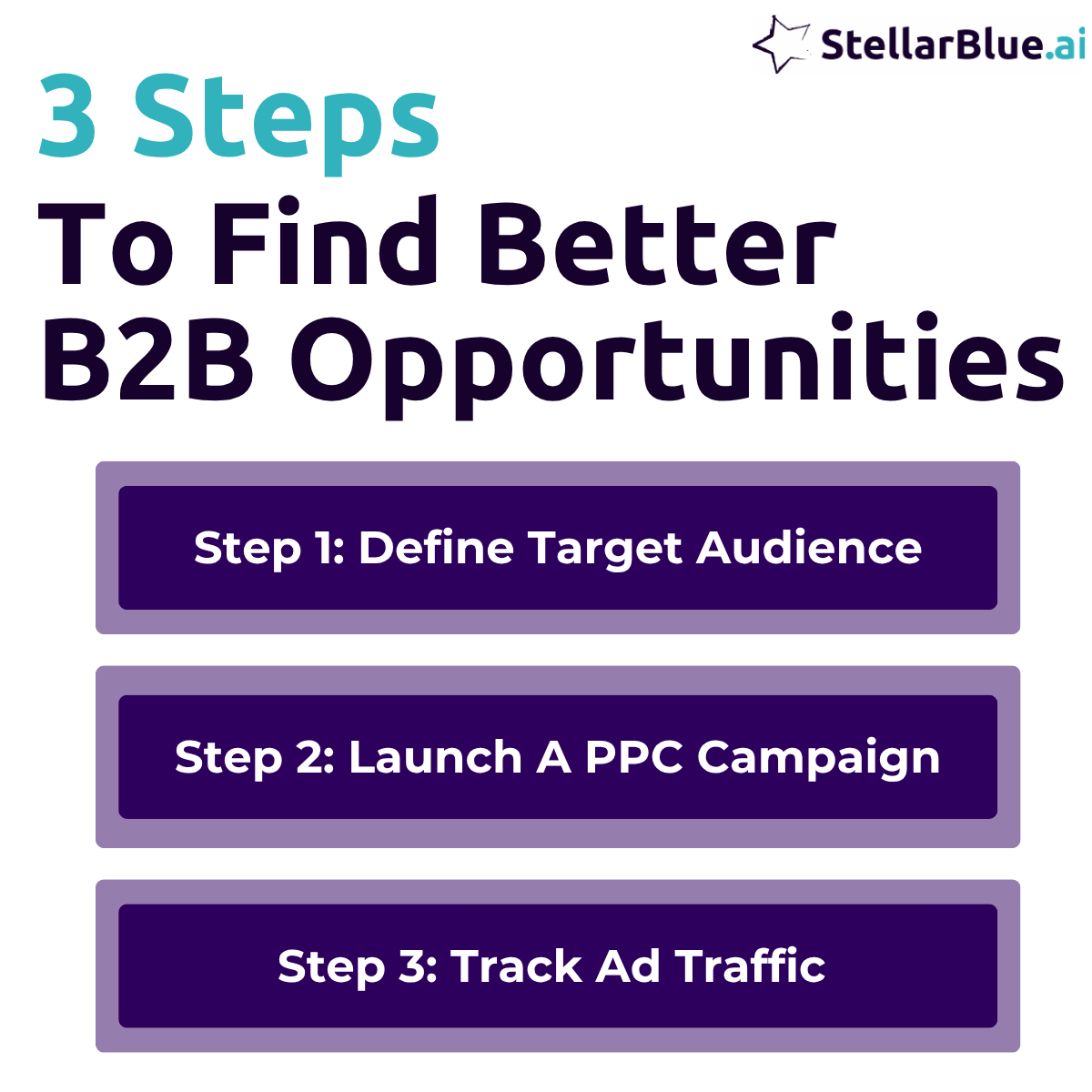
Step 1: Define A Narrow Target Audience
Start with clarity. Who are you actually trying to reach?
For most B2B companies, this means identifying:
- industry
- company size
- geography
- job titles or decision-making roles
- pain points tied to your service
Keep this step simple. If your audience definition is too broad, your campaigns and reporting will be broad too. A focused audience gives you a better shot at attracting people who are more likely to care about what you offer.
This sounds easy, but it often gets messy fast. Many businesses target too many industries, too many roles, or too many problems at once. That usually leads to weak traffic and weak insights.
Step 2: Launch A PPC Campaign To Reach That Audience
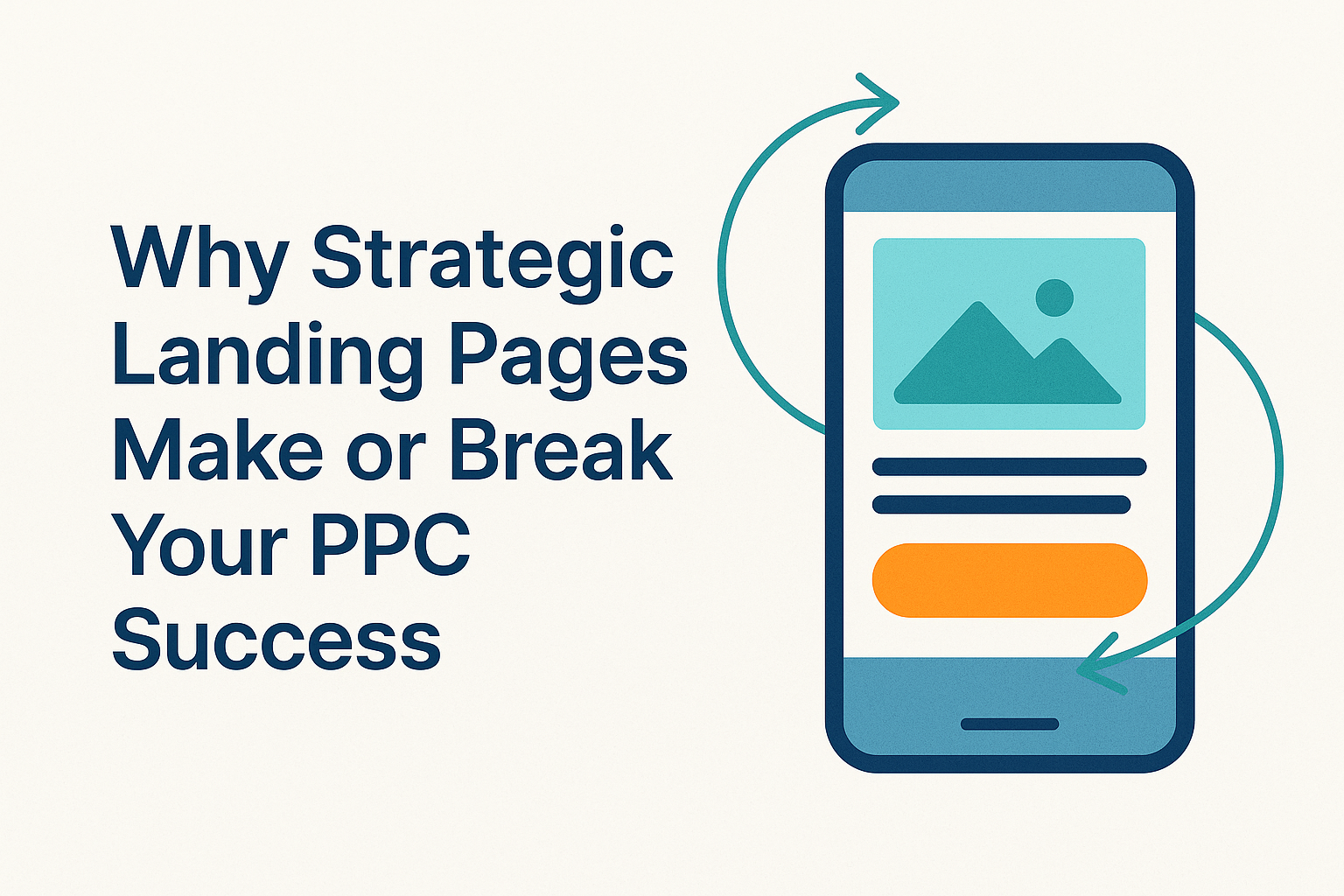
Once you know who you want to reach, the next step is getting in front of them. Paid campaigns on platforms like Google or Meta can help generate traffic from people who fit your target audience.
At a basic level, this means:
- building ads around a specific offer or pain point
- sending traffic to a relevant landing page
- matching campaign messaging to buyer intent
- separating campaigns so performance is easier to evaluate
This step is where many teams start spending budget without learning much from it. Clicks alone do not tell you whether the traffic is valuable. A campaign can look active on paper while producing little real sales insight.
Step 3: Track What That Traffic Does On Your Site
After the click, the next question is what happened.
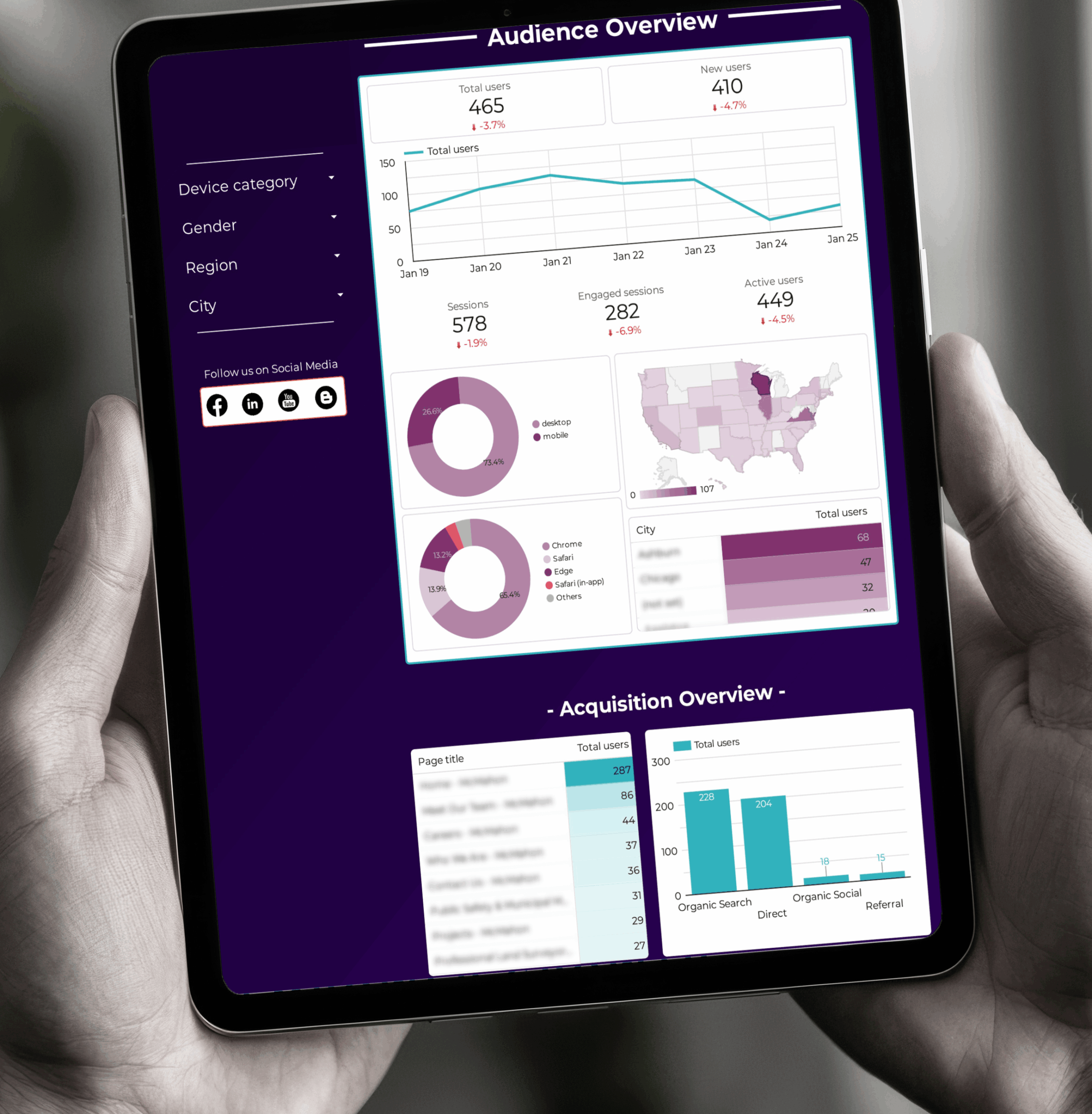
You should at minimum track:
- visits from each campaign
- landing page engagement
- conversions such as forms or calls
- traffic quality signals such as time on site or page views
This helps connect campaign activity to actual website behavior. It gives marketing teams a better sense of what is working and gives sales teams a starting point for prioritizing follow-up.
Still, this is where the biggest gap usually appears. Traditional analytics can show movement, but they often stop short of showing who the visitor actually is.
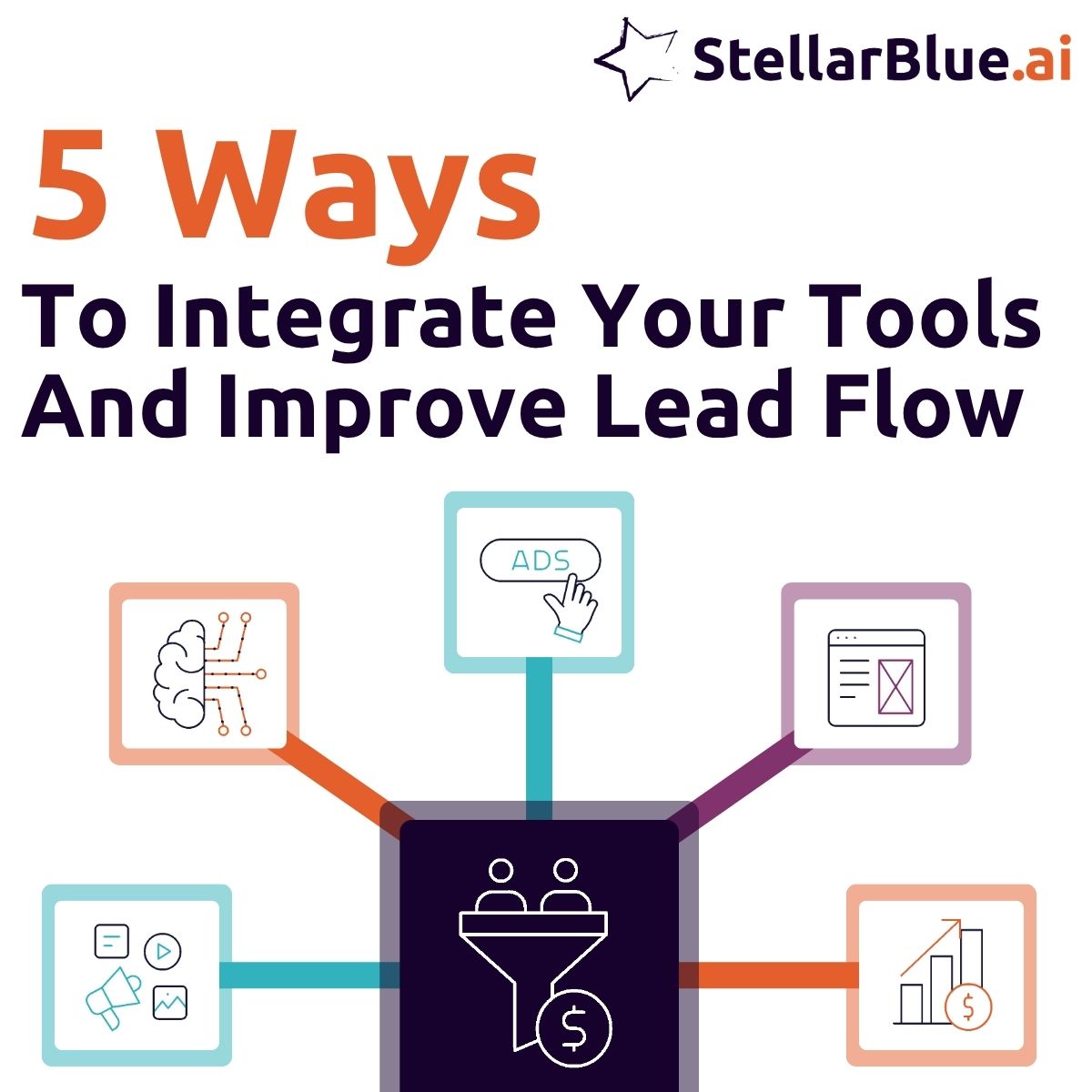
Bonus Step: Connect Your Tracking To The Rest Of Your Marketing Stack
Once you have a target audience, a campaign, and basic traffic reporting in place, the next level is making that traffic data more actionable.
This is where many businesses start to feel the limits of standard analytics. You can see visits, clicks, and conversions, but you still may not know enough about who is engaging, what type of buyer they are, or how to move that information into the systems your team already uses.
That’s where stronger data connections make a difference.
Stellar Audience IQ helps extend this process by adding deeper visitor identification, audience intelligence, and flexible integrations that make the data more useful across your sales and marketing workflow. Depending on the visitor and available data, that can include details like business identity, job title, company, location, pages visited, time on site, and other engagement signals that help your team better understand who is showing interest. It also draws from a broad mix of behavioral, intent-based, demographic, firmographic, and identity-linked data sources to help build a more informed picture of buyer activity.
Just as important, Audience IQ can connect that insight to the platforms your team already relies on. Integrations and activation options include CRM and marketing systems like HubSpot, GoHighLevel, Mailchimp, and Constant Contact, along with advertising and infrastructure connections such as Google, Meta, and TikTok Ads, and custom integrations. That means identified visitor data doesn’t have to stay trapped in a dashboard. It can be routed into the tools that support follow-up, segmentation, reporting, and automation.
For a business trying to do this manually, that’s where the process usually becomes difficult. The opportunity is real, but the setup, data handling, and integration work take time and precision. You can build the early pieces yourself, but turning scattered traffic data into usable sales and marketing intelligence is where a system like Audience IQ starts to prove its value.